Opinion: Making human dignity real
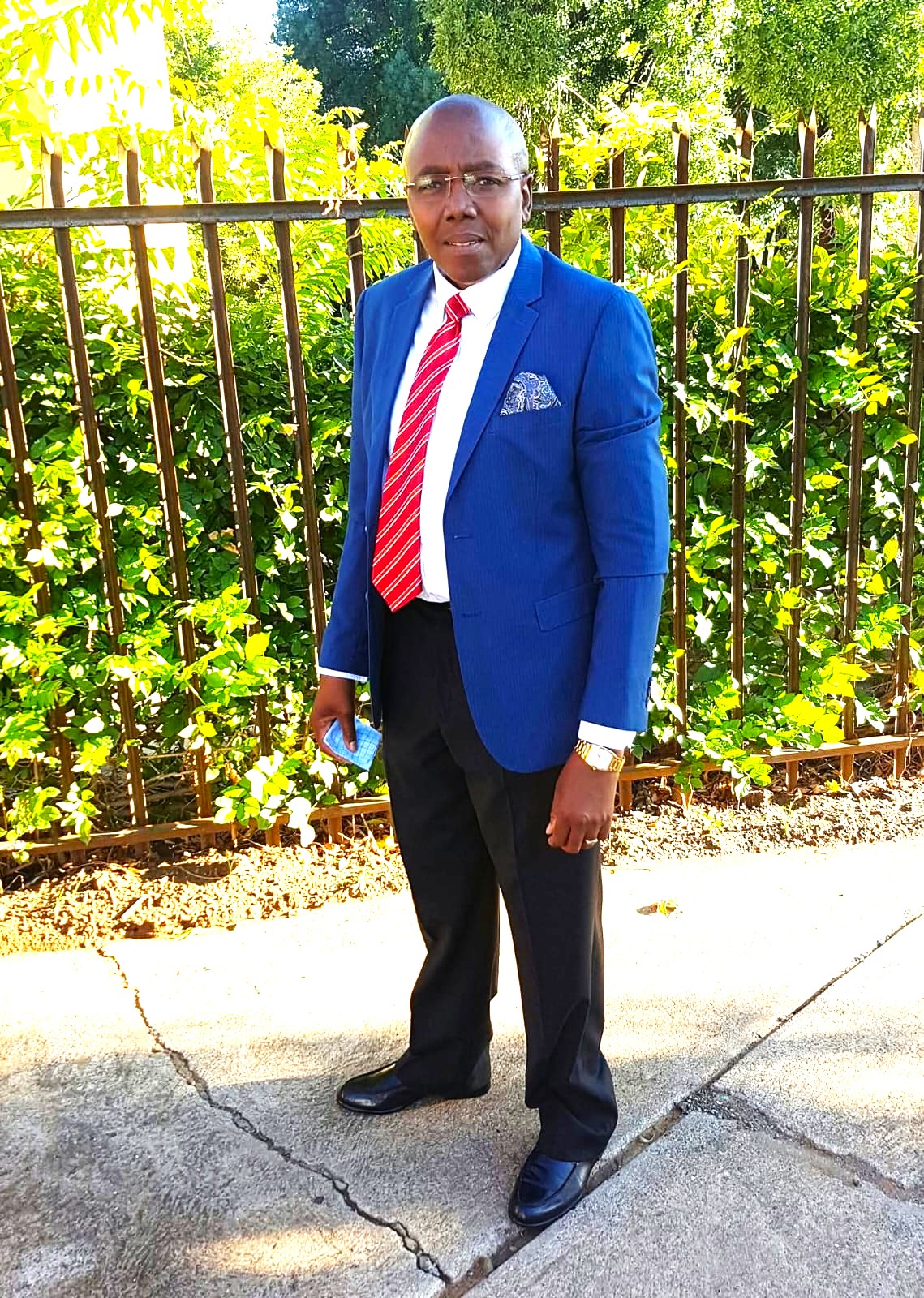
Story: Mzwandile Plaatjie | Photo: Supplied
Opinion piece by Mzwandile Plaatjie, Office of the Speaker, Walter Sisulu Local Municipality.
As South Africa commemorates Human Rights Day under the theme “Bill of Rights at 30: Making Human Dignity Real,” we are called not only to remember our past, but to actively shape our present and future.
Human Rights Day remains rooted in a painful yet defining chapter of our history. It is a day that reminds us of who we are as a nation, where we come from, and the injustices that once defined our society. More importantly, it serves as a moment of reflection - an opportunity to assess the strides we have made in promoting human dignity, freedom, and equality, while acknowledging the work that still lies ahead.
Since the dawn of democracy in 1994, South Africa has made notable progress in advancing and protecting human rights. Central to this progress is the Constitution of South Africa, whose Bill of Rights stands as a powerful safeguard for the freedoms and dignity of all citizens. Through expanded access to basic services, education, and social development programmes, government has demonstrated a commitment to improving lives and promoting equality.
Challenges that continue to affect communities
However, while these achievements are significant, they do not erase the challenges that persist - particularly at local government level. Many communities continue to face harsh realities, including the persistence of informal settlements, inadequate sanitation systems, and unreliable access to essential services such as water, electricity, and proper roads. Youth unemployment also remains a critical concern, limiting opportunities and undermining the dignity of young people.
Addressing these challenges requires a collective effort. Local government and communities must work hand in hand to promote and safeguard human rights on a daily basis. This includes strengthening community engagement, fostering a culture of ownership and protection of public infrastructure, and ensuring transparent communication. At the same time, municipalities must continue striving to deliver sustainable and reliable services that uphold the dignity of all residents.
Building an active and responsible citizenry
Equally important is the role of young people as drivers of change. By providing access to sports and community facilities, expanding education and skills development opportunities, and implementing targeted programmes to address issues such as gender-based violence and crime, we can empower youth to actively participate in building safer and more inclusive communities.
Ultimately, Human Rights Day is both a day of remembrance and a celebration. It honours the sacrifices made in the struggle for freedom while reminding us of the progress achieved in advancing human dignity. It must also serve as a moral compass - guiding us toward a future where the rights enshrined in our Constitution are not just ideals, but lived realities for all.
As we end this important month, residents are encouraged to understand their rights, fulfil their responsibilities, and actively participate in their communities. Active citizenship is not optional - it is essential in ensuring that the values of dignity, equality, and freedom are upheld and protected for generations to come.