Authorities intensify response to Foot and Mouth Disease in WSLM
Story: Relebohile Mxhosana | Photo: Relebohile Mxhosana
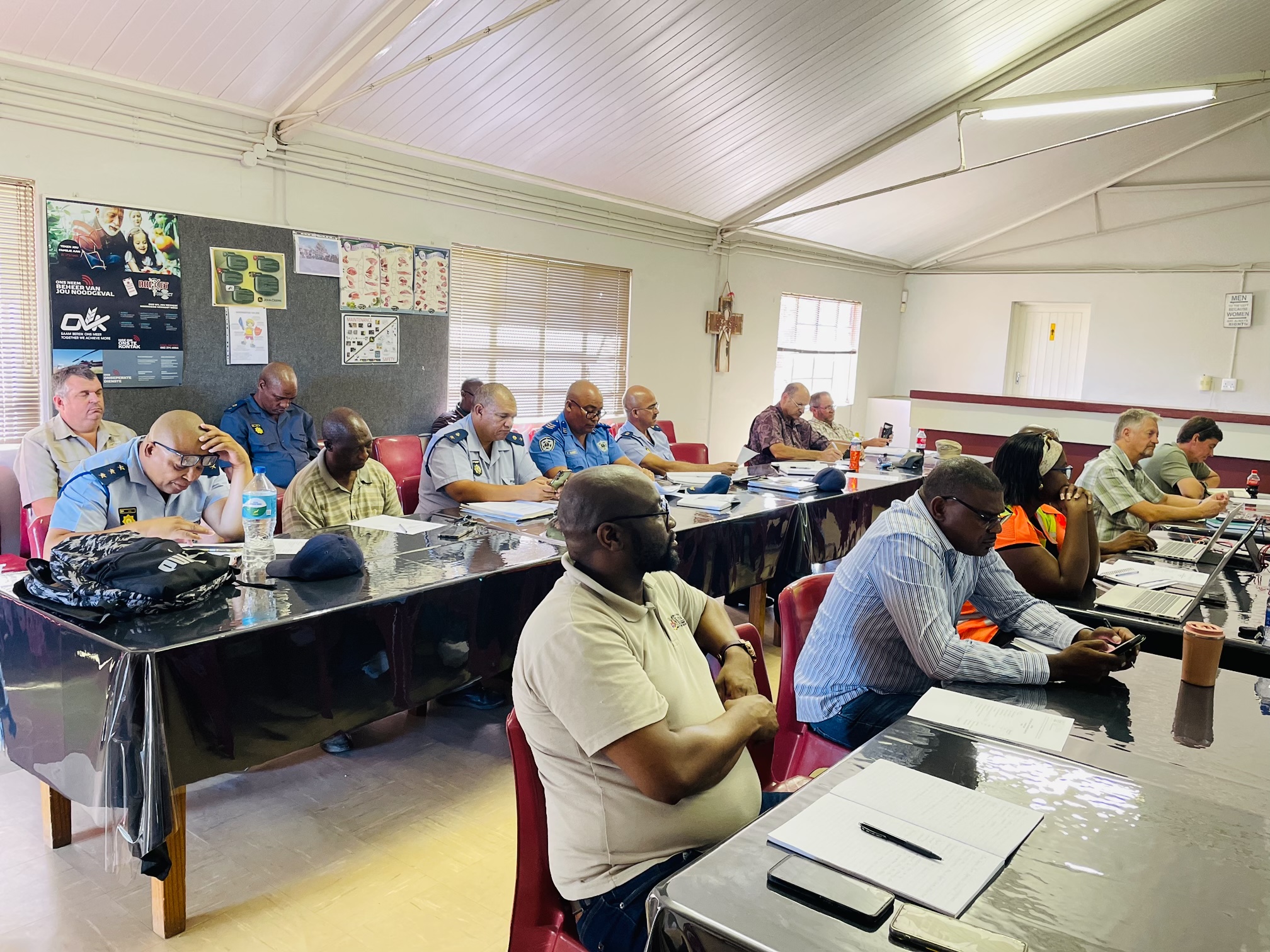
Recently, the Eastern Cape Department of Agriculture (ECDOA), Joint Operations Centre (JOC), Walter Sisulu Local Municipality (WSLM), Joe Gqabi District Municipality (JGDM), South African Police Service (SAPS), and the Eastern Cape Department of Transport (ECDT) convened a meeting at the Maletswai Sport Centre to discuss the current situation regarding Foot-and-Mouth Disease (FMD) in the district. The meeting focused on updates regarding confirmed and suspected cases affecting local farms, as well as coordinated measures being implemented to control the outbreak.
At the time of the report, three confirmed and suspected cases had been recorded in areas including James Calata, Joe Gqabi Commonage, and Little Kloof B. Two additional suspected cases were also reported in James Calata and Maletswai. Veterinary teams visited the affected farms to collect blood and swab samples for laboratory testing. It was also explained that even when PCR swab tests return negative results, the disease may still be present while animals are recovering. For this reason, authorities are awaiting the results of blood tests before any quarantine measures can be lifted.
The meeting also highlighted progress in the vaccination process aimed at controlling the spread of the disease. Vaccines arrived on 27 February, and vaccinations began on 7 March, starting in infected communities and nearby farms, particularly around James Calata. By the time of the report, more than 4,200 animals across approximately 60 farms had been vaccinated. One of the larger farms vaccinated had around 2,500 animals. The vaccination programme is intended to establish a protective buffer zone within a 10-kilometre radius of infected areas to help prevent further transmission.
ECDOA veterinarian Tshegofatso Nobela confirmed that disease control efforts are continuing. The first batch of vaccines has already been used, and authorities are awaiting the arrival of a second batch to continue vaccinations on remaining farms and surrounding areas.
Surveillance and investigations of suspected farms are ongoing, with coordination between local municipalities, the Department of Agriculture, private veterinarians, law enforcement, and the Joint Operations Centre. These collaborative efforts aim to closely monitor the outbreak, limit the spread of the disease, and protect livestock across the district.
Vela Mathetha from the ECDOA confirmed surveillance efforts on farms surrounding Maletswai and explained that although surveillance had begun, it could not be completed in all areas around the Joe Gqabi kraals as vaccination activities took priority once the vaccines arrived.
During the meeting, farmers were urged to cooperate by complying with quarantine measures, restricting the movement of animals from affected areas, and reporting any suspected symptoms immediately.